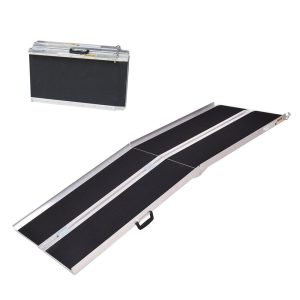
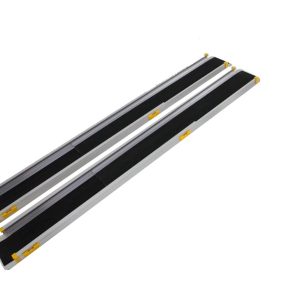
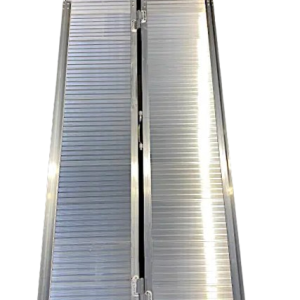
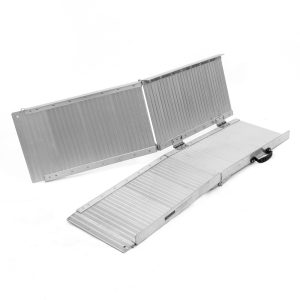
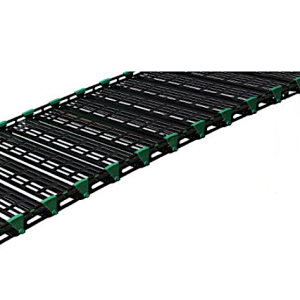
Wheelchair Ramps NZ — Portable, Folding, Threshold & Aluminium Access Ramps
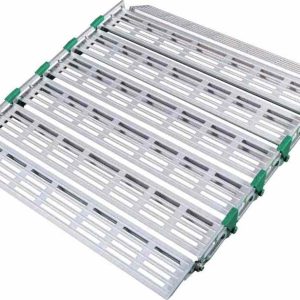
Our range of wheelchair ramps restores safe, independent access over steps, thresholds and into vehicles. From lightweight portable folding ramps and telescopic ramps for everyday use, to threshold ramps for doorways and custom aluminium ramps for the home, we supply durable, slip-resistant access ramps right across New Zealand. Whether you need a disability ramp for the home, a portable ramp for the car, or a permanent access solution, you’ll find the right option below — all with free NZ-wide delivery.
Suitable for wheelchairs, mobility scooters and walkers, our ramps are made from lightweight, high-strength aluminium with slip-resistant surfaces — built to handle New Zealand conditions and everyday use.
Choosing the right ramp comes down to the height to be climbed, the gradient, and the weight it must carry. See our quick guidance below, or contact our team for help.
Portable & Folding Wheelchair Ramps
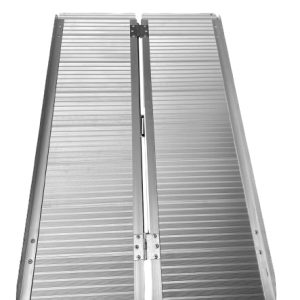
Portable wheelchair ramps fold or telescope down for easy transport and storage — ideal for getting over a step, into a vehicle, or for travel. See our:
Threshold Ramps
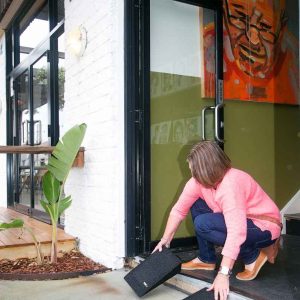
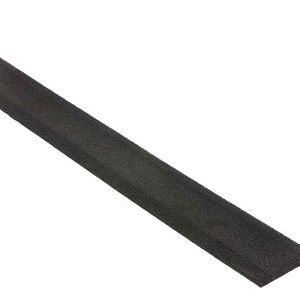
Low-rise threshold ramps bridge small height differences at doorways and raised floors, removing trip hazards. See our shower / threshold ramps and anti-slip threshold ramp options — with high load capacities.
Custom & Fixed Aluminium Ramps
For permanent access, our custom-made aluminium ramps and non-foldable fixed construction ramps are built to suit your entrance. Fixed and custom ramps may require professional installation — contact us to discuss your entrance.
What Weight Capacity & Length Do You Need?
Two specifications matter most when choosing a ramp:
- Weight capacity — add together the user’s weight plus the wheelchair or scooter. Powerchairs and mobility scooters are heavy, so check the ramp is rated comfortably above the combined total.
- Length for your step height — the higher the step, the longer the ramp needs to be for a safe gradient. As a rough guide at the recommended 1:14 gradient, every 100mm of rise needs about 1.4 metres of ramp. Measure your total rise (all steps combined) and use our ramp length calculator guide to work out the right length.
Not sure? Tell us your step height and equipment, and we’ll recommend the right ramp.
How to Choose a Wheelchair Ramp
Consider three things: the rise (height to climb), the gradient (a longer ramp gives a gentler, safer slope), and the weight capacity (account for the user plus the wheelchair or scooter). For occasional use and travel, a portable folding or telescopic ramp is ideal; for daily access, a threshold or fixed ramp may suit better. Not sure? Contact our team and we’ll help you choose.
Getting the Gradient Right — NZ Ramp Standards
A ramp that’s too steep is unsafe. In New Zealand, the recommended maximum gradient for an external accessible ramp is 1:14 (and 1:12 for shorter internal ramps), but the right slope depends on the height and whether the user is independent or assisted. The right length depends on the height to be climbed and that gradient. Use our guides to get it right: wheelchair ramp gradient standards in New Zealand, how to calculate ramp length, and choosing the right mobility ramp.
Why Choose Gilani Mobility
- Mobility specialists, not generalists — engineering-led, specification-based advice on the right ramp for your rise, gradient and load.
- Built to last in NZ conditions — high-strength aluminium that won’t rust, warp or crack outdoors.
- Slip-resistant surfaces — safe transitions for wheelchairs, scooters and walkers.
- Free NZ-wide delivery with a 12-month manufacturer warranty.
- Expert support — remote phone and email help, and guidance for your installer on fixed ramps.
Gilani Mobility is led by a qualified mechanical engineer, so you get honest advice on load, gradient and fit — not just a product list.
Funding in New Zealand
Access ramps may be funded for some users through ACC or Ministry of Health equipment funding (administered by Enable New Zealand or Accessable), usually following an assessment. We can provide a detailed quote or invoice for you to submit to your funder. Please note we are not a registered supplier with these bodies — approval, eligibility and payment are determined by your funder, not by us. Contact our team for a quote.
Delivery & Support
Ramps ship New Zealand-wide with free delivery. Portable, folding and threshold ramps are ready to use on arrival; fixed and custom ramps may need installation. Support is provided remotely by phone and email — we do not have a physical outlet or on-site service in New Zealand, but we can advise on what your local installer will need for fixed ramps.
Frequently Asked Questions
What gradient should a wheelchair ramp be in NZ?
A gentler gradient is safer. In New Zealand, 1:14 is the recommended maximum for external accessible ramps (1:12 for shorter internal ones), but the right slope depends on whether the user is independent or assisted. See our NZ ramp gradient guide for the recommended ratios and how to work out the length you need.
What length ramp do I need for my steps?
It depends on the total height of your steps. At the recommended 1:14 gradient, every 100mm of rise needs roughly 1.4 metres of ramp. Measure your total rise and use our ramp length guide, or send us the height and we’ll advise.
What weight can your ramps hold?
Capacity varies by model — our ramps carry a range of weight ratings to suit everything from a manual wheelchair to a heavy mobility scooter or powerchair. Always add the user’s weight to the equipment weight and choose a ramp rated comfortably above the total. Check each product for its rating.
Are your ramps suitable for mobility scooters as well as wheelchairs?
Yes — our ramps suit wheelchairs, mobility scooters and walkers, provided the ramp’s weight capacity and width cover your equipment. Scooters are heavier, so check the rating.
Can I use a portable ramp for my car or van?
Yes — folding and telescopic ramps are commonly used to load a wheelchair or scooter into a car or van. Check the ramp length and weight capacity against your vehicle and chair.
Do fixed ramps need installation?
Portable, folding and threshold ramps are ready to use. Custom and fixed construction ramps may require professional installation — contact us to discuss your entrance.
Can I get funding for a ramp?
Some users may receive funding through ACC or Ministry of Health (via Enable New Zealand or Accessable) after an assessment. We can provide a quote for your funder, though we are not a registered supplier and approval is decided by the funder.
Explore More